Skunk Bugbane
http://www.100md.com
《e Natural Health Center》
 |
 |
 |
 |
Herbs for Dispelling Wind and Heat
Skunk Bugbane
Latin:
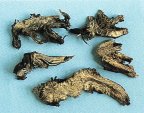
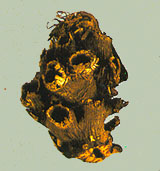
Rhizoma Cimicifugae
Origin:
As the rhizome of Cimicifuga heraleifolia Kom., Cimicifuga dahurica (Turcz.) Maxim. (north skunk bugbane) or DC. (north thorowax) or Cimicifuga foetida L, a perennial herb, or of about 15 species of tall perennial herb of the Ranunculaceae (buttercup) family, native to North Temperate woodlands. They are said to put bugs to flight by the rustling of their dried seed heads. Therefore, also called rattletop.
, http://www.100md.com
In North America the American bugbane, or summer cohosh (C. americana), about 120 cm tall, and the black cohosh, or black snakeroot (C. racemosa), about 180 cm tall, have roots that have been used medicinally.
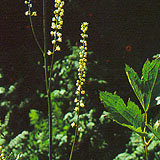
C. foetida, native to Europe and Siberia, is used medicinally by the Chinese. These species are sometimes grown in the shady woodland garden for their whitish branched flower stalks that rise strikingly above the large, divided leaves.
, 百拇医药
In China, C. foetida is mainly produced in Liaoning, Heilongjiang, Hunan, Shanxi, etc., picked and dug in summer and autumn, dried in the sun, sliced and used when raw or after being candied.
Properties:
Pungent and sweet in flavor, slightly cold in nature, it is related to the lung, spleen, stomach and large intestine channels.
Functions:
, http://www.100md.com
Disperses exopathogens, promotes eruption, clears heat, removes toxic substances and lifts yang-qi (male energy).
Applications:
1. Used for headache due to pathogenic wind-heat and measles without adequate eruption:
Being pungent, sweet, slightly cold and rising and dispersing in terms of properties, this herb can disperse exopathogens from the superficies of the body and promote eruption. It can be used in combination with raw gypsum, skullcap root (Radix Scutellariae), dahurian angelica root (Radix Angelicae Dahuricae), etc., for the treatment of yangming headache due to the upward attacks of pathogenic wind-heat; often used in combination with Chinese atractylodes rhizome (Rhizoma Atractylodis), peppermint, spikes of jingjie (Herba Schizonepetae), etc., e.g., Qing Zhen Tang, for thunder headache with serious pain on the head, face and parietal area, which is caused by exopathogenic wind-heat with dampness. This herb rises and disperses exopathogens from the superficies of the body, removes toxic substances and promotes eruption, so it is often used together with kudzu vine root (Radix Puerariae), herbaceous peony root (Radix Paeoniae Alba), licorice, etc., e.g., Shengma Gegen Tang, for the treatment of measles without adequate eruption.
, 百拇医药
2. Used for toothache, aphthae and sore throat:
Being sweet and cold, this herb clears heat and removes toxic substances, so it can be used to treat a variety of toxic heat syndromes. In particular, it is good for clearing away and removing yangming toxic heat, so it is often used together with gypsum, Chinese goldthread rhizome (Rhizoma Coptidis), red sage root (Radix Slaviae Miltiorrhizae), etc., e.g., Qing Wei San, for the treatment of such ailments as headache, gingivitis (inflammation of the gums), etc., due to upward attacks of stomach-fire; it can be used in combination with skullcap root (Radix Scutellariae) for the treatment of Chinese goldthread rhizome (Rhizoma Coptidis), Zhejiang figwort root (Radix Scrophulariae), etc., e.g., Puji Xiaodu Yin, for the treatment of sore throat, mumps and erysipelas (local inflammation of the skin); it can be used together with turtle shell, Chinese angelica, realgar, etc., e.g., Shengma Biejia Tang, for the treatment of affection by epidemic pathogenic factors, maculae (spot) caused by violent yang-pathogen, sore throat and conjunctivitis (inflammation of the eyelids); it can be used together with gypsum, dyers woad leaf (Folium Isatidis), Asian puccoon root (Radix Arnebiae seu Lithospermi), etc., for the treatment of maculae caused by violent heat-pathogen.
, 百拇医药
3. Used for protracted diarrhea with proctoptosis, metrorrhagia, metrostaxis and hematochezia due to qi deficiency:
Entering the spleen and stomach channels, this herb is good at drawing up clear yang-qi and it is a major herb to elevate spleen-yang and lift falling spleen-qi; so it is often used together with ginseng, milk vetch root (Radix Astragali seu Hedysari), Chinese thorowax root (Radix Bupleuri), etc., e.g., Buzhong Yiqi Tang, for the treatment of protracted diarrhea with proctoptosis, gastroptosis and metroptosis due to qi deficiency; and is often used together with Chinese thorowax root (Radix Bupleuri), milk vetch root (Radix Astragali seu Hedysari), balloon flower root (Radix Platycodi), etc., e.g., Sheng Xian Tang, for air falling in the chest and shortness of breath; this herb is used in combination with ginseng, milk vetch root (Radix Astragali seu Hedysari) and large-headed atractylodes rhizome (Rhizoma Atractylodis Macrocephalae), e.g., Ju Yuan Jian, for the treatment of metrorrhagia and metrostaxis and hematochezia.
, 百拇医药
Dosage and Administration:
3-10 g.
Decoct the ingredients for drinking. It should be used when raw to disperse exopathogens, promote eruption and remove toxic substances, while it should be used after preparation to elevate spleen-yang, lift falling spleen-qi and prevent prolapse (the falling down or slipping of a body part from its usual position or relations).
Cautions on Use:
, http://www.100md.com
This herb should be avoided by those who have measles with adequate eruption, hyperactivity of fire due to yin deficiency or yin excess above but yin deficiency below.
Reference Materials:
'Other Medical Records of Famous Physicians' :
"It is indicated for abdominal pain due to attacks by pestilent factors, affection by epidemic pathogenic factors, headache with chills and fever, various kinds of skin and external diseases, sore throat and aphthae."
, 百拇医药
'Compendium of Materia Medica' :
"It clears away skin eruption, disperses blood stasis to resume its circulation and treats dizziness due to yang-falling, pains in the chest and hypochondria due to deficiency, protracted diarrhea, diarrhea with pressure in the rectum, enuresis, metrorrhagia and metrostaxis."
Toxic or Side Effects:
Modern Researches:
, http://www.100md.com
This herb contains cimicifugine, salicin, caffeic acid, ferulic acid, tannin, etc.
North skunk bugbane contains bitter principles, cimigenol, cimigenol xyloside, daphurinol, isoferulic acid, visamminol, visnagin, cimifugin and saponin.
Skunk Bugbane has medium antibacterial effects on Mycobacterium tuberculosis, Staphylococcus aureus, Staphylococcus albus and Coccus catarrhalis.
North skunk bugbane extract has antipyretic, anti-inflammatory, analgesic and anticonvulsive effects.
, 百拇医药
Skunk bugbane has certain inhibitory effects on intestinal spasms caused by acecoline, histamine and barium chloride and it can also inhibit the heart, slow down heart rate and reduce blood pressure. Both the raw herb and the charred herb can shorten clotting time.
Ferulic acid, one of the chemical constituents of skunk bugbane, increases the motility and viability of sperm cells by protecting their cell walls from oxidation by compounds released from environmental toxins., 百拇医药