脑一氧化氮合酶和盐敏感性高血压
作者:谭天然,Manning,R.D,Jr
单位:暨南大学医学院病理生理教研室,广州 510632
关键词:平均动脉压;肾小球滤过率;血液动力学;尿钠;血浆肾素活性
高血压杂志990328
目的:本工作探讨了在不同盐摄取的条件下,脑一氧化氮合酶(brain nitric oxide synthase,bNOS)对Dahl 盐敏感(S)及Dahl盐不敏感(R)大鼠的血液动力学、血浆肾素活性(plasma renin activity,PRA)、肾小球滤过率(glumerilar filtration rate,GFR)及有效肾血浆流量(effective renal plasma flow,ERPF)等的影响。方法:7周~8周龄的S及R大鼠经股静脉导管给予低盐(0.87 mmol/d)及高盐(20.6 mmol/d)溶液输注,并经与计算机系统相联的主动脉导管记录血液动力学等的变化。所有动物在经5天的对照观察后,其中部分动物在低盐或高盐溶液中加入bNOS特异抑制剂7-nitroindazole (7-NI,1.67 mg/kg/h),继续观察5天。结果:单纯低盐及高盐输注的R大鼠,其血压无显著变化,同时给予高盐及7-NI输注的大鼠,其血压较对照期间大幅上升(120±6%)。同样,在给予高盐及高盐+7-NI输注的S大鼠,其血压亦分别较对照期间上升了110±2%及114±3%。7-NI对S及R大鼠肾小球过滤率、有效肾血浆流量等没有明显影响。此外血浆肾素活性测定表明,低盐+7-NI输注使PRA显著降低。结论:对盐不敏感的R大鼠在抑制体内bNOS活性后,由对盐不敏感而变为对盐敏感。说明bNOS在防止高盐导致高血压的过程中起着非常重要的作用。
, 百拇医药
要点:脑组织的一氧化氮合酶经过一氧化氮合酶的特殊抑制剂7-nitroindazole处理可使Dahl盐不敏感大鼠转变为盐敏感;说明脑组织一氧化氮合酶的活性在盐敏感性高血压中的作用。
中图分类号:Q55;Q491.1;R544.1 文献标识码:A
文章编号:1006-2866(1999)02-0266-06
Brain Nitric Oxide Synthase and Salt-Sensitive Hypertension
Tan Tian-ran (谭天然) and Manning,R.D,Jr
(Department of Pathophysiology,Jinan University Medical College,Guangzhou 510632,P.R.China)
, 百拇医药
ABSTRACT Aim:The goal of this study was to determine the role of brain nitric oxide synthase (bNOS) in the arterial pressure,renal hemodynamic and renal excretory changes in Dahl salt-resistant(R) and salt-sensitive(S) rats during changes in sodium intake.Methods:Fifty-three Dahl R and S rats of 7~8 weeks of age with arterial and venous catheters instrumented were subjected to low (0.87 mmol/d) or high (20.6 mmol/d) Na intake.Measurements were made during a 5 day control period followed by a 5 day period of bNOS inhibition with iv 7-nitroindazole (7NI,1.67 mg*kg-1/h) or vehicle infusion.Mean arterial pressure increased significantly to 120±6 % control in the R-high Na and 7NI rats.Results:In R rats either high or low salt intake caused little change in mean BP,while high salt intake plus 7NI increases mean BP 120±6% compared to that in control period.High salt intaked and high salt plus 7NI increased mean BP 110±2% and 114±3% in S rats,respectively.7NI didn't change slightly(P>0.05) in GFR,effective renal plasma flow,urinary Na excretion or urine volume.However,plasma renin activity decreased significantly in R and S rats on low Na intake +7NI.The data demonstrate that the highly salt-resistant Dahl R rat became salt-sensitive during bNOS inhibition with 7NI.However,the arterial pressure of the S rat was not affected by 7NI.Conclusion: That the nitric oxide produced by bNOS in the Dahl R rat normally helps to prevent salt-sensitive hypertension and that low functional levels of bNOS in the S rat may contribute to its salt-sensitivity.
, 百拇医药
Key Words: mean Arterial Pressure;GFR;hemodynamics;urinary Sodium excretion;plasma renin activity
The arterial pressure of some human hypertensives is very sensitive to changes in sodium intake and they have been classified as "salt-sensitive," but the cause of the salt-sensitivity is not known.A recent preliminary report showed that salt-sensitive humans release less nitric oxide (NO) during NO agonist administration compared to salt-resistant essential hypertensives[1].In Dahl salt-sensitive (S) rats,our laboratory and others[2,3] showed that NO production is decreased during high sodium intake compared to Dahl salt-resistant (R) rats.L-arginine administration to Dahl S rats increased NO production and prevented salt-sensitive hypertension[3,4].Therefore,a decrease in NO production may be partly responsible for salt-sensitive hypertension in humans and Dahl S rats.However,the relative importance of the various isoforms of NO rats in causing salt-sensitive hypertension is not known.
, 百拇医药
Recent studies have shown that nitric oxide produced by brain nitric oxide synthase (bNOS) may play a significant role in preventing salt-sensitive hypertension in normal rats.Increases in sodium intake caused an increase in renal medullary bNOS protein in Sprague-Dawley (SD) rats[5].Even though the SD rat is normally salt-resistant,inhibition of bNOS in the renal medulla of these rats on a high sodium diet caused salt-sensitive hypertension[6].However,whether bNOS plays an important role in Dahl salt-sensitive hypertension is not known.
, 百拇医药
Preliminary results in our laboratory (R.D.Manning,Jr.,unpublished data,1998) showed that a high Na diet resulted in a much greater increase in renal medullary bNOS protein in Dahl R rats than in S rats.We hypothesize that NO produced by bNOS in the R rat helps to prevent salt-sensitive hypertension,and bNOS inhibition in the R rat will make it salt-sensitive like the S rat.Studies were conducted in Dahl R and S rats,Rapp strain during a 5-day control period and a 5-day period of bNOS inhibition with continuous iv infusion of 7-nitroindazole,sodium salt (7NI) at 1.67 mg/kg/h.Rats were subjected to either low or high Na intake,and cardiovascular and renal functional measurements were made throughout the experiment.
, 百拇医药
MATERIALS AND METHODS
1 Animal preparation,experimental measurements and instrumentation: Experiments were conducted in 53 conscious 7~8 week old male,Dahl R or S rats,Rapp strain (Harlan Sprague Dawley,Indianapolis,IN).The project had the approval of the local Institutional Animal Committee.Rats were received when they were 5~6 weeks old,and surgery was done when the rats reached a weight of 200 g,and experiments were begun 1 week later when the rats had a weight of ~220 g.Aortic and vena cava catheters were implanted as we have done before[3],and 15 ml/day of either hypotonic or hypertonic saline was infused iv containing the following antibiotics: Mezlin,30 mg/day,(Miles,Westhaven CT) and penicillin G,5000 U/day,Rats were placed in a temperature controlled room with a 12-hour light/dark cycle.
, 百拇医药
Both catheters were exteriorized at the dorsal nape of the neck.and were connected to a dual channel infusion swivel (Instech Laboratories Inc.,Plymouth Meeting,PA).Saline solutions were infused with a Harvard apparatus syringe pump (Harvard apparatus,South Natick,MA) through a 0.22 μM filter (Cathivex,Millipore Corporation,Bedford,MA).The arterial catheter was filled with 1,000 U/ml heparin and connected to a Cobe pressure transducer (Lakewood,CO) and in turn to a pressure amplifier.Pulsatile arterial pressure signals from the amplifier were sent to a digital computer through an analog-to-digital converter and were sampled 500 Hz for 4 seconds of each minute throughout the entire 24-hour period.Heart rate and arterial pressure were determined from these data samples.
, 百拇医药
Water intake and urinary volume output were measured daily.Urine sodium concentration was determined by flame photometry and plasma renin activity by radioimmunoassay.Urinary nitrate plus nitrite excretion (UNOx) was determined using the Greiss reaction[7] and nitrate reductase from Escheria coli as we have done before[3].
GFR and ERPF were determined by measuring the radioactivity and aminohippurate concentration[8] of a 4-hour fasted plasma sample after a 24-hour period of iv infusion of125I-iothalamate (Glofil,Isotec Diagnostics,Friendswood,TX) and aminohippurate sodium (Merck,Westpoint,PA).Steady-state is easily achieved in less than 12 hours of iv infusion.A sample of the infusate was analyzed for125I and aminohippurate concentration,and infusion rates of iothalamate and hippurate were calculated and substituted for the urinary excretion rates of these substances[9,10].This constant infusion method for determining GFR and ERPF gives the same values as urinary clearance techniques[10].
, 百拇医药
2 Experimental protocols:The following 8 groups of rats were studied: Dahl R-low Na,7NI (n=7);Dahl S-low Na,7NI (n=7);Dahl R-high Na,7NI (n=8);Dahl S-high Na,7NI (n=8);Dahl R-low Na alone (n=5);Dahl S-low Na (n=5);Dahl R-high Na (n=6);and Dahl S-high Na (n=7).During a 7-day surgical recovery period,all rats were fed a low Na food (Teklab Test Diets,Madison,WI) and a low Na intake of 0.87 mmol/d was maintained infusing iv 15 ml/d of 0.3% NaCl plus ingestion of 0.10 mmol/d of the low Na food.Some of the rats received a high Na intake of 20.6 mmol/d of Na (15 ml/d iv of 8% NaCl plus the low Na food beginning 2 days before the control period).Data were collected during a 5-day control period followed by a 5-day period of bNOS inhibition with continuous iv infusion of 7NI or vehicle.This bNOS inhibitor selectively blocks bNOS without affecting acetylcholine-induced vasodilation[11]or either arterial pressure or renal blood flow in SD rats on low Na intake[12],and the dosage used in the present experiments was based on these previous studies[12].
, http://www.100md.com
3 Data analysis: Data from R-7NI groups were statistically compared to the R-Na alone groups at the same experimental time in each experimental period.This was also done for each S rat group.Both R and S Na alone groups served as timed controls for the respective 7NI groups.In addition,statistical comparisons were also made between R or S- high Na,7NI groups and comparable 7NI low Na groups at the same experimental time.Statistics were performed by first using a 2-way analysis of variance for repeated measures followed by a 1-way analysis of repeated measures for each group and a Newman-Keuls test for post hoc analysis at each experimental time point.Data were considered to be statistically different from control if P<0.05.All data are expressed as mean±SE.
, 百拇医药
RESULTS
1 Arterial pressure responses to bNOS inhibition: The top panel of Figure 1 shows that 7NI caused mean arterial pressure (MAP) of the Dahl R rats to increase significantly during high sodium intake ,and by day 10 MAP reached a value of 120±6 % control compared to a pressure of 98±1 % control (P<.05) in R-high Na alone rats.Note also that R-low Na,7NI rats did not significantly increase their MAP when compared to R rats on low sodium alone.Therefore,the R rat became salt-sensitive during bNOS inhibition.
, 百拇医药
Fig 1 Mean arterial pressure responses in Dahl salt-resistant and salt-sensitive rats.* P<0.05 when comparing R- high Na,7NI rats with R-high Na alone or R- low Na,7NI rats to R-low Na alone rats at the same experimental time.The same statistics apply to S rats.+P<0.05 high Na,7NI compared to low Na 7NI in R or S groups.
图1 Dahl盐抵抗性大鼠及盐敏感性大鼠平均动脉压的变化
* Dahl盐抵抗性大鼠及Dahl盐敏感性大鼠,输入高盐+7-NI组与单纯输入高盐组比较或输入低盐+7-NI组与单纯输入低盐组比较,P<0.05。 + 高盐+7-NI组与低盐+7-NI组比较,P<0.05。
, 百拇医药
The bottom panel of Figure 1 shows that by day 10 MAP increased to 114±3 % control in the S-high Na,7NI rats and 110±2 % control in the S Na alone groups,but their responses were not significantly different from each other.Table 1,which shows control values for MAP,GFR and ERPF,shows that MAP was elevated in all S- rats on high Na,since they had been on high sodium intake starting 2 days before the control period.
Tab 1 Control Values
, http://www.100md.com
表1 对照值
Low Na-7NI
Hi N-7NI
Low Na alone
Hi Na alone
MAP-R
88±4
83±3
81±3
98±3
MAP-S
95±1
, 百拇医药
114±2
84±4
112±2
GFR-R
2.0±0.5
2.9±0.4
2.6±0.4
3.0±0.4
GFR-S
1.5±0.2
2.1±0.5
2.8±0.5
, 百拇医药
3.2±0.4
ERPF-R
11.8±1.1
11.4±0.6
10.5±0.6
10.9±1.0
ERPF-S
10.8±0.8
12.1±0.5
11.4±0.8
11.6±0.7
GFR:肾小球滤过率;ERPF:有效肾血浆流量;MAP:平均动脉压;R:盐抵抗;S:盐敏感;7NI:7-nitroindazole
, http://www.100md.com
2 GFR responses to bNOS inhibition:The top and bottom panels of Figure 2 show that GFR in all 8 groups of rats stayed close to their respective control values during the bNOS inhibition.Neither the R or S-high Na,7NI groups were significantly different from either the R or S high Na alone groups,respectively or their corresponding low Na-7NI groups.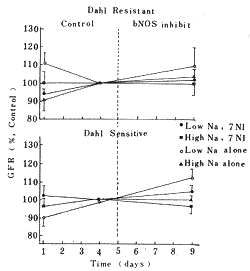
Fig 2 GFR responses to bNOS inhibition in Dahl salt-resistant and salt-sensitive rats.
, 百拇医药
图 2 脑一氧化氮合酶抑制剂对Dahl盐抵抗性大鼠及盐敏感性大鼠肾小球滤过率的影响
3 ERPF responses to bNOS inhibition:The top and bottom panels of Figure 3 show that ERPF for all 8 groups of rats remained close to their respective control values during the bNOS inhibition period.The ERPF of the R-7NI group during high sodium intake was not significantly different from the R high Na alone group or from the R- low Na,7NI group.Likewise the S groups did not experience significant changes in ERPF during the bNOS inhibition period.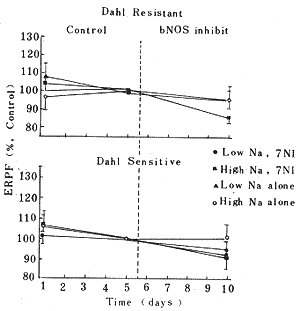
, 百拇医药
Fig 3 Effective renal plasma flow (ERPF) responses to bNOS inhibition in Dahl salt-resistant and salt-sensitive rats.
图3 脑一氧化氮合酶抑制剂对Dahl盐抵抗性大鼠及盐敏感性大鼠肾有效肾血浆流量的影响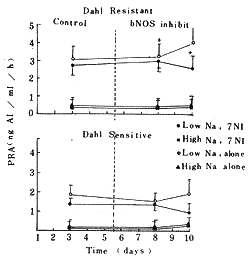
Fig 4 Plasma renin activity responses to bNOS inhibition in Dahl salt-resistant and salt-sensitive rats.P<0.05 when comparing R-7NI,low Na rats to R-low Na alone rats.The same statistics apply to S rats.+:P<0.05 when comparing low Na-7NI rats to high Na-7NI rats in the R or S groups.
, http://www.100md.com
图4 脑一氧化氮合酶抑制剂对Dahl盐抵抗性大鼠及盐敏感性大鼠血浆肾素活性的影响
*:与单纯输入低Na的Dahl盐抵抗性大鼠比较,P<0.05 。Dahl 盐敏感大鼠之间的比较与此方式相同。 +:输入低盐+7NI与输入高盐+7NI的盐抵抗性及敏感性大鼠比较,P<0.05
4 Plasma renin activity responses to bNOS inhibition:In the Dahl R-low Na,7NI rats,plasma renin activity decreased significantly on day 10 compared to the R-low Na group.Also,on day 10 the renin activity of the S-low Na,7NI group was significantly less than that of the S-low Na alone group.The average control renin activity in the R-low sodium group was 3.2±0.1 ngAI /ml/hr which was significantly different (P<0.05) from the average control value of 2.0±0.1 ngAI/ml/hr in the S-low Na group.
, 百拇医药
Table 2 shows that there were no significant effects of 7NI on heart rate in either the R or S groups on either high or low Na intake when compared to their respective timed control Na alone groups.High Na intake caused UNOx to increase significantly in the R-7NI rats compared to the R-low Na,7NI rats and in the R-high Na rats compared to the R-low Na rats.UNOx in the R-high Na,7NI group was not significantly different from the R-high Na alone group.
Tab 2 Responses of Heart Rate (HR) and urinary nitrate+nitrite excretion (UNOx) in 7NI
, 百拇医药
表2 7NI对心率及NO2/NO3的影响
低Na- 7NI
高Na-7NI
低Na alone
高Na alone
HR R
437±9
420±9
420±6
414±3
HR 10d
, 百拇医药 427±11
418±7
422±3
404±7
HR S
434±14
445±8
420±9
429±7
HR 10d
444±9
440±8
413±7
, 百拇医药
430±7
UNOx R
5630±624
1 0994±772
4790±801
1 0059±1416#
UNOx 10d
6785±674
9122±13*
5104±725
1 0464±1685
, 百拇医药
UNOx S
7657±792
-
4934±660
6008±452
UNOx 10d
7602±871
-
5411±195
6698±469#
*:P<0.05 vs Low Na 7NI group #:P<0.05 vs low Na alone group
, 百拇医药
DISCUSSION
The major new finding in this study is that bNOS inhibition makes the normally salt-resistant Dahl R rat salt-sensitive.This fact was confirmed by the increase in MAP in the R-high Na,7NI group and the lack of increase in MAP in both the R rats on high sodium alone and R rats on low sodium plus 7NI.However,MAP of the S rat was not significantly affected by 7NI during high sodium intake which suggests that the functional effects of bNOS may be blunted in the S rat compared to the R rat.Inhibition of bNOS did not significantly change GFR,ERPF,urinary sodium excretion or urinary volume in the R or S rats,but plasma renin activity decreased during 7NI infusion in both R and S rats on low sodium intake.
, http://www.100md.com
Our recent studies have shown that NO production is decreased in Dahl S rats on high sodium intake[3] compared to R rats,and the data in Table 2 confirm these previous findings.Infusion of L-arginine iv increased NO release in Dahl S rats,and prevented the blunted renal pressure natriuresis[3].Therefore,NO produced by one or more of the NOS isoforms can decrease salt-sensitivity,and previous studies have shown that iNOS may achieve this[2].Our data suggest that NO produced by bNOS also reduces salt-sensitivity in Dahl R rats,since bNOS inhibition in R rats on high sodium intake caused increased sodium-sensitivity.
, http://www.100md.com
Changes in renal NOS,including changes in renal bNOS,can have profound effects on renal excretory ability[6,12~14].Both bNOS protein and mRNA have been found in several locations in the kidney including inner and outer medullary collecting ducts,macula densa,glomerulus,vasa recta and renal nerves[15,16].Functionally,bNOS blunts the tubuloglomerular feedback control of afferent arteriolar resistance[12~14] and mediates the macula densa control of renin secretion[12,13].However,the effect of sodium intake on renal bNOS synthesis is controversial.Messenger RNA for bNOS increased in the renal cortex in one study[17],but the functional effects of macula densa bNOS increased in SD rats on high sodium intake[18].Renal bNOS activity decreased after 4 weeks of high Na intake in Dahl S rats[19],but another study showed that 3 weeks of high sodium intake in Dahl S rats caused renal damage[20] which could affect NO production.
, 百拇医药
Most studies on the renal effects of bNOS performed to date have focused on the role of macula densa bNOS.However,recent studies in SD rats have shown that highest concentration of bNOS protein is in the renal medulla and that high sodium intake markedly upregulates the medullary bNOS protein[5].Also,renal medullary infusion of 7NI in SD rats on high sodium intake caused a decrease in medullary bNOS activity and a salt-sensitive hypertension[6].Our preliminary experiments (R.D.Manning,Jr.,unpublished observation,1998) suggest that bNOS protein during high Na intake is lower in the medulla of the Dahl S rats than in the R rat.The above result suggests that upregulation of medullary bNOS protein during high sodium intake may help to prevent salt-sensitive hypertension in the Dahl R rat.This would also be consistent with results of the present study which showed an increase in salt-sensitivity of the R rat during 7NI infusion without significant changes in renal hemodynamics,since changes in cortical bNOS would be expected to cause renal hemodynamic changes.
, 百拇医药
Changes in macula densa bNOS activity could also play a role in the present experiment.Both Dahl R and S rats on low sodium intake demonstrated a significant decrease in plasma renin activity during 7NI confirming the results of another study which showed that increases in renin release in sodium-deprived rats were blocked by 7NI[12].The 7NI-induced decrease in plasma renin activity could increase the salt-sensitivity in a similar way to angiotensin converting enzyme inhibitors[21],both of which limit the suppression of renin activity by high sodium intake but would be expected to decrease arterial pressure.
, 百拇医药
Several other mechanisms could have been involved in increasing the salt-sensitivity of the Dahl R rat during bNOS inhibition.Medullary bNOS inhibition may have increased sodium retention in the distal part of the nephron thus increasing arterial pressure and elevating sodium excretion back to normal.This would cause a blunting of the pressure natriuresis relationship,and indeed,this occurred in the present experiment,since an increased arterial pressure was necessary in the R rat to excrete the high sodium load during 7NI infusion.In addition,increased tubuloglomerular feedback could have occurred in the R rats on 7NI and high sodium thus increasing renal vascular resistance[18],but whether this would increase arterial pressure in a salt-sensitive manner is not clear.
, 百拇医药
In summary,bNOS inhibition in the Dahl R rat caused a salt-sensitive hypertension but no significant changes in GFR and ERPF,but a significant decrease in plasma renin activity in low sodium groups.This suggests that bNOS normally plays an important role in the R rat in preventing salt-sensitive hypertension and that a decrease in bNOS in the S rat may be partly responsible for its salt-sensitivity.
REFERENCES
1 Ghiadoni L,Virdis A,Taddei S,et al.Defective nitric oxide pathway in salt-sensitive essential hypertensive patients[J] Am J Hypertens 1997;10:20A
, 百拇医药
2 Chen PY,Sanders PW.Role of nitric oxide synthesis in salt-sensitive hypertension in Dahl/Rapp rats[J] Hypertension 1993;22:812-818
3 Hu L,Manning RD.Role of nitric oxide in regulation of long-term pressure-natriuresis relationship in Dahl rats[J] Am J Physiol 1995;268:H2375-2383
4 Chen PY,Sanders PW.L-Arginine abrogates salt-sensitive hypertension in Dahl/Rapp rats[J] J Clin Invest 1991;88:1559-1567
, 百拇医药
5 Mattson,D.L.,Higgins,D.Influence of dietary sodium intake on renal medullary nitric oxide synthase[J] Hypertension 1996;27(2):688-692
6 Mattson,D.L.,Bellehumeur,T.G.Neural nitric oxide synthase in the renal medulla and blood pressure regulation[J] Hypertens 1996;28:297-303
7 Bartholomew,B.A rapid method for the assay of nitrate in urine using nitrate reductase enzyme of Escherichia coli.Fd[J] Chem Toxic 1984;22:541-543
, 百拇医药
8 Smith,H.W.Principles of Renal Physiology [M] New York: Oxford Univ.Press;1956:199-209
9 Tan,DY,Cernadas,MR,Aragoncillo,P,et al.Role of nitric oxide-related mechanisms in renal function in aging rats[J] Nephrol Dial Transplant 1998:13:594-601
10 Berber,E Y,Farber SJ,Earle JDP.Comparison of the constant infusion and urine collection techniques for the measurement of renal function[J] J Clin Invest 1948;27:710-719
, http://www.100md.com
11 Moore PK,Wallace P,Gaffen Z,et al.Characterization of novel nitric oxide synthase inhibitor 7-nitro indazole and related indazoles: antinociceptive and cardiovascular effects[J] Br J Pharmacol 1993;110:219-224
12 Beierwaltes,W.H.Macula densa stimulation of renin is reversed by selective inhibition of neuronal nitric oxide synthase[J] Am J Physiol 1997;272:R1359-R1364
13 Beierwaltes,W.H.Selective neuronal nitric oxide synthase inhibition blocks furosemide-stimulated renin secretion in vivo[J] Am J Physiol 1995;269:F134-F139
, 百拇医药
14 Wilcox CS,Welch WJ.TGF and nitric oxide: Effects of salt intake and salt-sensitive hypertension[J] Kidney Int 1996;49:S9-S13
15 Bachmann S,Bosse HM,Mundel P.Topography of nitric oxide synthesis by localizing constitutive NO synthases in mammalian kidney[J] Am J Physiol 1995;268: F885-F898
16 Terada Y,Tomita K,Nonoguchi H,et al.Polymerase chain reaction localization of constitutive nitric oxide synthase and soluble guanylate cyclase messenger RNAs in microdissected rat nephron segments[J] J Clin Invest 1992;90:659-665
, http://www.100md.com
17 Singh I,Grams M,Wang WH,et al.Coordinate regulation of renal expression of nitric oxide synthase,renin,and angiotensinogen mRNA by dietary salt[J] Am J Physiol 1996;270:F1027-F1037
18 Wilcox CS,Deng X,Welch WJ.NO generation and action during changes in salt intake roles of nNOS and macula densa[J] Am J Physiol 1998;274:R1588-R1593
19 Ikeda Y,Saito K,Kim J,et al.Nitric oxide synthase isoform activities in kidney of Dahl salt-sensitive rats[J] Hypertens 1995;26:1030-1034
20 Chen PY,St John PL,Kirk KA,et al.Hypertensive nephrosclerosis in the Dahl/Rapp rat[J] Lab Invest 1993;68:174-184
21 Hall JE.Control of sodium by angiotensin: intrarenal mechanisms and blood pressure regulation[J] Am J Physiol 1986;250:R960-R972
Recieved:1998-09-20, 百拇医药
单位:暨南大学医学院病理生理教研室,广州 510632
关键词:平均动脉压;肾小球滤过率;血液动力学;尿钠;血浆肾素活性
高血压杂志990328
目的:本工作探讨了在不同盐摄取的条件下,脑一氧化氮合酶(brain nitric oxide synthase,bNOS)对Dahl 盐敏感(S)及Dahl盐不敏感(R)大鼠的血液动力学、血浆肾素活性(plasma renin activity,PRA)、肾小球滤过率(glumerilar filtration rate,GFR)及有效肾血浆流量(effective renal plasma flow,ERPF)等的影响。方法:7周~8周龄的S及R大鼠经股静脉导管给予低盐(0.87 mmol/d)及高盐(20.6 mmol/d)溶液输注,并经与计算机系统相联的主动脉导管记录血液动力学等的变化。所有动物在经5天的对照观察后,其中部分动物在低盐或高盐溶液中加入bNOS特异抑制剂7-nitroindazole (7-NI,1.67 mg/kg/h),继续观察5天。结果:单纯低盐及高盐输注的R大鼠,其血压无显著变化,同时给予高盐及7-NI输注的大鼠,其血压较对照期间大幅上升(120±6%)。同样,在给予高盐及高盐+7-NI输注的S大鼠,其血压亦分别较对照期间上升了110±2%及114±3%。7-NI对S及R大鼠肾小球过滤率、有效肾血浆流量等没有明显影响。此外血浆肾素活性测定表明,低盐+7-NI输注使PRA显著降低。结论:对盐不敏感的R大鼠在抑制体内bNOS活性后,由对盐不敏感而变为对盐敏感。说明bNOS在防止高盐导致高血压的过程中起着非常重要的作用。
, 百拇医药
要点:脑组织的一氧化氮合酶经过一氧化氮合酶的特殊抑制剂7-nitroindazole处理可使Dahl盐不敏感大鼠转变为盐敏感;说明脑组织一氧化氮合酶的活性在盐敏感性高血压中的作用。
中图分类号:Q55;Q491.1;R544.1 文献标识码:A
文章编号:1006-2866(1999)02-0266-06
Brain Nitric Oxide Synthase and Salt-Sensitive Hypertension
Tan Tian-ran (谭天然) and Manning,R.D,Jr
(Department of Pathophysiology,Jinan University Medical College,Guangzhou 510632,P.R.China)
, 百拇医药
ABSTRACT Aim:The goal of this study was to determine the role of brain nitric oxide synthase (bNOS) in the arterial pressure,renal hemodynamic and renal excretory changes in Dahl salt-resistant(R) and salt-sensitive(S) rats during changes in sodium intake.Methods:Fifty-three Dahl R and S rats of 7~8 weeks of age with arterial and venous catheters instrumented were subjected to low (0.87 mmol/d) or high (20.6 mmol/d) Na intake.Measurements were made during a 5 day control period followed by a 5 day period of bNOS inhibition with iv 7-nitroindazole (7NI,1.67 mg*kg-1/h) or vehicle infusion.Mean arterial pressure increased significantly to 120±6 % control in the R-high Na and 7NI rats.Results:In R rats either high or low salt intake caused little change in mean BP,while high salt intake plus 7NI increases mean BP 120±6% compared to that in control period.High salt intaked and high salt plus 7NI increased mean BP 110±2% and 114±3% in S rats,respectively.7NI didn't change slightly(P>0.05) in GFR,effective renal plasma flow,urinary Na excretion or urine volume.However,plasma renin activity decreased significantly in R and S rats on low Na intake +7NI.The data demonstrate that the highly salt-resistant Dahl R rat became salt-sensitive during bNOS inhibition with 7NI.However,the arterial pressure of the S rat was not affected by 7NI.Conclusion: That the nitric oxide produced by bNOS in the Dahl R rat normally helps to prevent salt-sensitive hypertension and that low functional levels of bNOS in the S rat may contribute to its salt-sensitivity.
, 百拇医药
Key Words: mean Arterial Pressure;GFR;hemodynamics;urinary Sodium excretion;plasma renin activity
The arterial pressure of some human hypertensives is very sensitive to changes in sodium intake and they have been classified as "salt-sensitive," but the cause of the salt-sensitivity is not known.A recent preliminary report showed that salt-sensitive humans release less nitric oxide (NO) during NO agonist administration compared to salt-resistant essential hypertensives[1].In Dahl salt-sensitive (S) rats,our laboratory and others[2,3] showed that NO production is decreased during high sodium intake compared to Dahl salt-resistant (R) rats.L-arginine administration to Dahl S rats increased NO production and prevented salt-sensitive hypertension[3,4].Therefore,a decrease in NO production may be partly responsible for salt-sensitive hypertension in humans and Dahl S rats.However,the relative importance of the various isoforms of NO rats in causing salt-sensitive hypertension is not known.
, 百拇医药
Recent studies have shown that nitric oxide produced by brain nitric oxide synthase (bNOS) may play a significant role in preventing salt-sensitive hypertension in normal rats.Increases in sodium intake caused an increase in renal medullary bNOS protein in Sprague-Dawley (SD) rats[5].Even though the SD rat is normally salt-resistant,inhibition of bNOS in the renal medulla of these rats on a high sodium diet caused salt-sensitive hypertension[6].However,whether bNOS plays an important role in Dahl salt-sensitive hypertension is not known.
, 百拇医药
Preliminary results in our laboratory (R.D.Manning,Jr.,unpublished data,1998) showed that a high Na diet resulted in a much greater increase in renal medullary bNOS protein in Dahl R rats than in S rats.We hypothesize that NO produced by bNOS in the R rat helps to prevent salt-sensitive hypertension,and bNOS inhibition in the R rat will make it salt-sensitive like the S rat.Studies were conducted in Dahl R and S rats,Rapp strain during a 5-day control period and a 5-day period of bNOS inhibition with continuous iv infusion of 7-nitroindazole,sodium salt (7NI) at 1.67 mg/kg/h.Rats were subjected to either low or high Na intake,and cardiovascular and renal functional measurements were made throughout the experiment.
, 百拇医药
MATERIALS AND METHODS
1 Animal preparation,experimental measurements and instrumentation: Experiments were conducted in 53 conscious 7~8 week old male,Dahl R or S rats,Rapp strain (Harlan Sprague Dawley,Indianapolis,IN).The project had the approval of the local Institutional Animal Committee.Rats were received when they were 5~6 weeks old,and surgery was done when the rats reached a weight of 200 g,and experiments were begun 1 week later when the rats had a weight of ~220 g.Aortic and vena cava catheters were implanted as we have done before[3],and 15 ml/day of either hypotonic or hypertonic saline was infused iv containing the following antibiotics: Mezlin,30 mg/day,(Miles,Westhaven CT) and penicillin G,5000 U/day,Rats were placed in a temperature controlled room with a 12-hour light/dark cycle.
, 百拇医药
Both catheters were exteriorized at the dorsal nape of the neck.and were connected to a dual channel infusion swivel (Instech Laboratories Inc.,Plymouth Meeting,PA).Saline solutions were infused with a Harvard apparatus syringe pump (Harvard apparatus,South Natick,MA) through a 0.22 μM filter (Cathivex,Millipore Corporation,Bedford,MA).The arterial catheter was filled with 1,000 U/ml heparin and connected to a Cobe pressure transducer (Lakewood,CO) and in turn to a pressure amplifier.Pulsatile arterial pressure signals from the amplifier were sent to a digital computer through an analog-to-digital converter and were sampled 500 Hz for 4 seconds of each minute throughout the entire 24-hour period.Heart rate and arterial pressure were determined from these data samples.
, 百拇医药
Water intake and urinary volume output were measured daily.Urine sodium concentration was determined by flame photometry and plasma renin activity by radioimmunoassay.Urinary nitrate plus nitrite excretion (UNOx) was determined using the Greiss reaction[7] and nitrate reductase from Escheria coli as we have done before[3].
GFR and ERPF were determined by measuring the radioactivity and aminohippurate concentration[8] of a 4-hour fasted plasma sample after a 24-hour period of iv infusion of125I-iothalamate (Glofil,Isotec Diagnostics,Friendswood,TX) and aminohippurate sodium (Merck,Westpoint,PA).Steady-state is easily achieved in less than 12 hours of iv infusion.A sample of the infusate was analyzed for125I and aminohippurate concentration,and infusion rates of iothalamate and hippurate were calculated and substituted for the urinary excretion rates of these substances[9,10].This constant infusion method for determining GFR and ERPF gives the same values as urinary clearance techniques[10].
, 百拇医药
2 Experimental protocols:The following 8 groups of rats were studied: Dahl R-low Na,7NI (n=7);Dahl S-low Na,7NI (n=7);Dahl R-high Na,7NI (n=8);Dahl S-high Na,7NI (n=8);Dahl R-low Na alone (n=5);Dahl S-low Na (n=5);Dahl R-high Na (n=6);and Dahl S-high Na (n=7).During a 7-day surgical recovery period,all rats were fed a low Na food (Teklab Test Diets,Madison,WI) and a low Na intake of 0.87 mmol/d was maintained infusing iv 15 ml/d of 0.3% NaCl plus ingestion of 0.10 mmol/d of the low Na food.Some of the rats received a high Na intake of 20.6 mmol/d of Na (15 ml/d iv of 8% NaCl plus the low Na food beginning 2 days before the control period).Data were collected during a 5-day control period followed by a 5-day period of bNOS inhibition with continuous iv infusion of 7NI or vehicle.This bNOS inhibitor selectively blocks bNOS without affecting acetylcholine-induced vasodilation[11]or either arterial pressure or renal blood flow in SD rats on low Na intake[12],and the dosage used in the present experiments was based on these previous studies[12].
, http://www.100md.com
3 Data analysis: Data from R-7NI groups were statistically compared to the R-Na alone groups at the same experimental time in each experimental period.This was also done for each S rat group.Both R and S Na alone groups served as timed controls for the respective 7NI groups.In addition,statistical comparisons were also made between R or S- high Na,7NI groups and comparable 7NI low Na groups at the same experimental time.Statistics were performed by first using a 2-way analysis of variance for repeated measures followed by a 1-way analysis of repeated measures for each group and a Newman-Keuls test for post hoc analysis at each experimental time point.Data were considered to be statistically different from control if P<0.05.All data are expressed as mean±SE.
, 百拇医药
RESULTS
1 Arterial pressure responses to bNOS inhibition: The top panel of Figure 1 shows that 7NI caused mean arterial pressure (MAP) of the Dahl R rats to increase significantly during high sodium intake ,and by day 10 MAP reached a value of 120±6 % control compared to a pressure of 98±1 % control (P<.05) in R-high Na alone rats.Note also that R-low Na,7NI rats did not significantly increase their MAP when compared to R rats on low sodium alone.Therefore,the R rat became salt-sensitive during bNOS inhibition.
, 百拇医药
Fig 1 Mean arterial pressure responses in Dahl salt-resistant and salt-sensitive rats.* P<0.05 when comparing R- high Na,7NI rats with R-high Na alone or R- low Na,7NI rats to R-low Na alone rats at the same experimental time.The same statistics apply to S rats.+P<0.05 high Na,7NI compared to low Na 7NI in R or S groups.
图1 Dahl盐抵抗性大鼠及盐敏感性大鼠平均动脉压的变化
* Dahl盐抵抗性大鼠及Dahl盐敏感性大鼠,输入高盐+7-NI组与单纯输入高盐组比较或输入低盐+7-NI组与单纯输入低盐组比较,P<0.05。 + 高盐+7-NI组与低盐+7-NI组比较,P<0.05。
, 百拇医药
The bottom panel of Figure 1 shows that by day 10 MAP increased to 114±3 % control in the S-high Na,7NI rats and 110±2 % control in the S Na alone groups,but their responses were not significantly different from each other.Table 1,which shows control values for MAP,GFR and ERPF,shows that MAP was elevated in all S- rats on high Na,since they had been on high sodium intake starting 2 days before the control period.
Tab 1 Control Values
, http://www.100md.com
表1 对照值
Low Na-7NI
Hi N-7NI
Low Na alone
Hi Na alone
MAP-R
88±4
83±3
81±3
98±3
MAP-S
95±1
, 百拇医药
114±2
84±4
112±2
GFR-R
2.0±0.5
2.9±0.4
2.6±0.4
3.0±0.4
GFR-S
1.5±0.2
2.1±0.5
2.8±0.5
, 百拇医药
3.2±0.4
ERPF-R
11.8±1.1
11.4±0.6
10.5±0.6
10.9±1.0
ERPF-S
10.8±0.8
12.1±0.5
11.4±0.8
11.6±0.7
GFR:肾小球滤过率;ERPF:有效肾血浆流量;MAP:平均动脉压;R:盐抵抗;S:盐敏感;7NI:7-nitroindazole
, http://www.100md.com
2 GFR responses to bNOS inhibition:The top and bottom panels of Figure 2 show that GFR in all 8 groups of rats stayed close to their respective control values during the bNOS inhibition.Neither the R or S-high Na,7NI groups were significantly different from either the R or S high Na alone groups,respectively or their corresponding low Na-7NI groups.
Fig 2 GFR responses to bNOS inhibition in Dahl salt-resistant and salt-sensitive rats.
, 百拇医药
图 2 脑一氧化氮合酶抑制剂对Dahl盐抵抗性大鼠及盐敏感性大鼠肾小球滤过率的影响
3 ERPF responses to bNOS inhibition:The top and bottom panels of Figure 3 show that ERPF for all 8 groups of rats remained close to their respective control values during the bNOS inhibition period.The ERPF of the R-7NI group during high sodium intake was not significantly different from the R high Na alone group or from the R- low Na,7NI group.Likewise the S groups did not experience significant changes in ERPF during the bNOS inhibition period.
, 百拇医药
Fig 3 Effective renal plasma flow (ERPF) responses to bNOS inhibition in Dahl salt-resistant and salt-sensitive rats.
图3 脑一氧化氮合酶抑制剂对Dahl盐抵抗性大鼠及盐敏感性大鼠肾有效肾血浆流量的影响
Fig 4 Plasma renin activity responses to bNOS inhibition in Dahl salt-resistant and salt-sensitive rats.P<0.05 when comparing R-7NI,low Na rats to R-low Na alone rats.The same statistics apply to S rats.+:P<0.05 when comparing low Na-7NI rats to high Na-7NI rats in the R or S groups.
, http://www.100md.com
图4 脑一氧化氮合酶抑制剂对Dahl盐抵抗性大鼠及盐敏感性大鼠血浆肾素活性的影响
*:与单纯输入低Na的Dahl盐抵抗性大鼠比较,P<0.05 。Dahl 盐敏感大鼠之间的比较与此方式相同。 +:输入低盐+7NI与输入高盐+7NI的盐抵抗性及敏感性大鼠比较,P<0.05
4 Plasma renin activity responses to bNOS inhibition:In the Dahl R-low Na,7NI rats,plasma renin activity decreased significantly on day 10 compared to the R-low Na group.Also,on day 10 the renin activity of the S-low Na,7NI group was significantly less than that of the S-low Na alone group.The average control renin activity in the R-low sodium group was 3.2±0.1 ngAI /ml/hr which was significantly different (P<0.05) from the average control value of 2.0±0.1 ngAI/ml/hr in the S-low Na group.
, 百拇医药
Table 2 shows that there were no significant effects of 7NI on heart rate in either the R or S groups on either high or low Na intake when compared to their respective timed control Na alone groups.High Na intake caused UNOx to increase significantly in the R-7NI rats compared to the R-low Na,7NI rats and in the R-high Na rats compared to the R-low Na rats.UNOx in the R-high Na,7NI group was not significantly different from the R-high Na alone group.
Tab 2 Responses of Heart Rate (HR) and urinary nitrate+nitrite excretion (UNOx) in 7NI
, 百拇医药
表2 7NI对心率及NO2/NO3的影响
低Na- 7NI
高Na-7NI
低Na alone
高Na alone
HR R
437±9
420±9
420±6
414±3
HR 10d
, 百拇医药 427±11
418±7
422±3
404±7
HR S
434±14
445±8
420±9
429±7
HR 10d
444±9
440±8
413±7
, 百拇医药
430±7
UNOx R
5630±624
1 0994±772
4790±801
1 0059±1416#
UNOx 10d
6785±674
9122±13*
5104±725
1 0464±1685
, 百拇医药
UNOx S
7657±792
-
4934±660
6008±452
UNOx 10d
7602±871
-
5411±195
6698±469#
*:P<0.05 vs Low Na 7NI group #:P<0.05 vs low Na alone group
, 百拇医药
DISCUSSION
The major new finding in this study is that bNOS inhibition makes the normally salt-resistant Dahl R rat salt-sensitive.This fact was confirmed by the increase in MAP in the R-high Na,7NI group and the lack of increase in MAP in both the R rats on high sodium alone and R rats on low sodium plus 7NI.However,MAP of the S rat was not significantly affected by 7NI during high sodium intake which suggests that the functional effects of bNOS may be blunted in the S rat compared to the R rat.Inhibition of bNOS did not significantly change GFR,ERPF,urinary sodium excretion or urinary volume in the R or S rats,but plasma renin activity decreased during 7NI infusion in both R and S rats on low sodium intake.
, http://www.100md.com
Our recent studies have shown that NO production is decreased in Dahl S rats on high sodium intake[3] compared to R rats,and the data in Table 2 confirm these previous findings.Infusion of L-arginine iv increased NO release in Dahl S rats,and prevented the blunted renal pressure natriuresis[3].Therefore,NO produced by one or more of the NOS isoforms can decrease salt-sensitivity,and previous studies have shown that iNOS may achieve this[2].Our data suggest that NO produced by bNOS also reduces salt-sensitivity in Dahl R rats,since bNOS inhibition in R rats on high sodium intake caused increased sodium-sensitivity.
, http://www.100md.com
Changes in renal NOS,including changes in renal bNOS,can have profound effects on renal excretory ability[6,12~14].Both bNOS protein and mRNA have been found in several locations in the kidney including inner and outer medullary collecting ducts,macula densa,glomerulus,vasa recta and renal nerves[15,16].Functionally,bNOS blunts the tubuloglomerular feedback control of afferent arteriolar resistance[12~14] and mediates the macula densa control of renin secretion[12,13].However,the effect of sodium intake on renal bNOS synthesis is controversial.Messenger RNA for bNOS increased in the renal cortex in one study[17],but the functional effects of macula densa bNOS increased in SD rats on high sodium intake[18].Renal bNOS activity decreased after 4 weeks of high Na intake in Dahl S rats[19],but another study showed that 3 weeks of high sodium intake in Dahl S rats caused renal damage[20] which could affect NO production.
, 百拇医药
Most studies on the renal effects of bNOS performed to date have focused on the role of macula densa bNOS.However,recent studies in SD rats have shown that highest concentration of bNOS protein is in the renal medulla and that high sodium intake markedly upregulates the medullary bNOS protein[5].Also,renal medullary infusion of 7NI in SD rats on high sodium intake caused a decrease in medullary bNOS activity and a salt-sensitive hypertension[6].Our preliminary experiments (R.D.Manning,Jr.,unpublished observation,1998) suggest that bNOS protein during high Na intake is lower in the medulla of the Dahl S rats than in the R rat.The above result suggests that upregulation of medullary bNOS protein during high sodium intake may help to prevent salt-sensitive hypertension in the Dahl R rat.This would also be consistent with results of the present study which showed an increase in salt-sensitivity of the R rat during 7NI infusion without significant changes in renal hemodynamics,since changes in cortical bNOS would be expected to cause renal hemodynamic changes.
, 百拇医药
Changes in macula densa bNOS activity could also play a role in the present experiment.Both Dahl R and S rats on low sodium intake demonstrated a significant decrease in plasma renin activity during 7NI confirming the results of another study which showed that increases in renin release in sodium-deprived rats were blocked by 7NI[12].The 7NI-induced decrease in plasma renin activity could increase the salt-sensitivity in a similar way to angiotensin converting enzyme inhibitors[21],both of which limit the suppression of renin activity by high sodium intake but would be expected to decrease arterial pressure.
, 百拇医药
Several other mechanisms could have been involved in increasing the salt-sensitivity of the Dahl R rat during bNOS inhibition.Medullary bNOS inhibition may have increased sodium retention in the distal part of the nephron thus increasing arterial pressure and elevating sodium excretion back to normal.This would cause a blunting of the pressure natriuresis relationship,and indeed,this occurred in the present experiment,since an increased arterial pressure was necessary in the R rat to excrete the high sodium load during 7NI infusion.In addition,increased tubuloglomerular feedback could have occurred in the R rats on 7NI and high sodium thus increasing renal vascular resistance[18],but whether this would increase arterial pressure in a salt-sensitive manner is not clear.
, 百拇医药
In summary,bNOS inhibition in the Dahl R rat caused a salt-sensitive hypertension but no significant changes in GFR and ERPF,but a significant decrease in plasma renin activity in low sodium groups.This suggests that bNOS normally plays an important role in the R rat in preventing salt-sensitive hypertension and that a decrease in bNOS in the S rat may be partly responsible for its salt-sensitivity.
REFERENCES
1 Ghiadoni L,Virdis A,Taddei S,et al.Defective nitric oxide pathway in salt-sensitive essential hypertensive patients[J] Am J Hypertens 1997;10:20A
, 百拇医药
2 Chen PY,Sanders PW.Role of nitric oxide synthesis in salt-sensitive hypertension in Dahl/Rapp rats[J] Hypertension 1993;22:812-818
3 Hu L,Manning RD.Role of nitric oxide in regulation of long-term pressure-natriuresis relationship in Dahl rats[J] Am J Physiol 1995;268:H2375-2383
4 Chen PY,Sanders PW.L-Arginine abrogates salt-sensitive hypertension in Dahl/Rapp rats[J] J Clin Invest 1991;88:1559-1567
, 百拇医药
5 Mattson,D.L.,Higgins,D.Influence of dietary sodium intake on renal medullary nitric oxide synthase[J] Hypertension 1996;27(2):688-692
6 Mattson,D.L.,Bellehumeur,T.G.Neural nitric oxide synthase in the renal medulla and blood pressure regulation[J] Hypertens 1996;28:297-303
7 Bartholomew,B.A rapid method for the assay of nitrate in urine using nitrate reductase enzyme of Escherichia coli.Fd[J] Chem Toxic 1984;22:541-543
, 百拇医药
8 Smith,H.W.Principles of Renal Physiology [M] New York: Oxford Univ.Press;1956:199-209
9 Tan,DY,Cernadas,MR,Aragoncillo,P,et al.Role of nitric oxide-related mechanisms in renal function in aging rats[J] Nephrol Dial Transplant 1998:13:594-601
10 Berber,E Y,Farber SJ,Earle JDP.Comparison of the constant infusion and urine collection techniques for the measurement of renal function[J] J Clin Invest 1948;27:710-719
, http://www.100md.com
11 Moore PK,Wallace P,Gaffen Z,et al.Characterization of novel nitric oxide synthase inhibitor 7-nitro indazole and related indazoles: antinociceptive and cardiovascular effects[J] Br J Pharmacol 1993;110:219-224
12 Beierwaltes,W.H.Macula densa stimulation of renin is reversed by selective inhibition of neuronal nitric oxide synthase[J] Am J Physiol 1997;272:R1359-R1364
13 Beierwaltes,W.H.Selective neuronal nitric oxide synthase inhibition blocks furosemide-stimulated renin secretion in vivo[J] Am J Physiol 1995;269:F134-F139
, 百拇医药
14 Wilcox CS,Welch WJ.TGF and nitric oxide: Effects of salt intake and salt-sensitive hypertension[J] Kidney Int 1996;49:S9-S13
15 Bachmann S,Bosse HM,Mundel P.Topography of nitric oxide synthesis by localizing constitutive NO synthases in mammalian kidney[J] Am J Physiol 1995;268: F885-F898
16 Terada Y,Tomita K,Nonoguchi H,et al.Polymerase chain reaction localization of constitutive nitric oxide synthase and soluble guanylate cyclase messenger RNAs in microdissected rat nephron segments[J] J Clin Invest 1992;90:659-665
, http://www.100md.com
17 Singh I,Grams M,Wang WH,et al.Coordinate regulation of renal expression of nitric oxide synthase,renin,and angiotensinogen mRNA by dietary salt[J] Am J Physiol 1996;270:F1027-F1037
18 Wilcox CS,Deng X,Welch WJ.NO generation and action during changes in salt intake roles of nNOS and macula densa[J] Am J Physiol 1998;274:R1588-R1593
19 Ikeda Y,Saito K,Kim J,et al.Nitric oxide synthase isoform activities in kidney of Dahl salt-sensitive rats[J] Hypertens 1995;26:1030-1034
20 Chen PY,St John PL,Kirk KA,et al.Hypertensive nephrosclerosis in the Dahl/Rapp rat[J] Lab Invest 1993;68:174-184
21 Hall JE.Control of sodium by angiotensin: intrarenal mechanisms and blood pressure regulation[J] Am J Physiol 1986;250:R960-R972
Recieved:1998-09-20, 百拇医药